Have questions about our remote or in-person workshops? Give us a call! (800) 987-5582
Filter Categories- All ()
- Assessments & Profiles ()
- Communication & Feedback ()
- Leadership ()
- Strategic Planning ()
- Teamwork ()
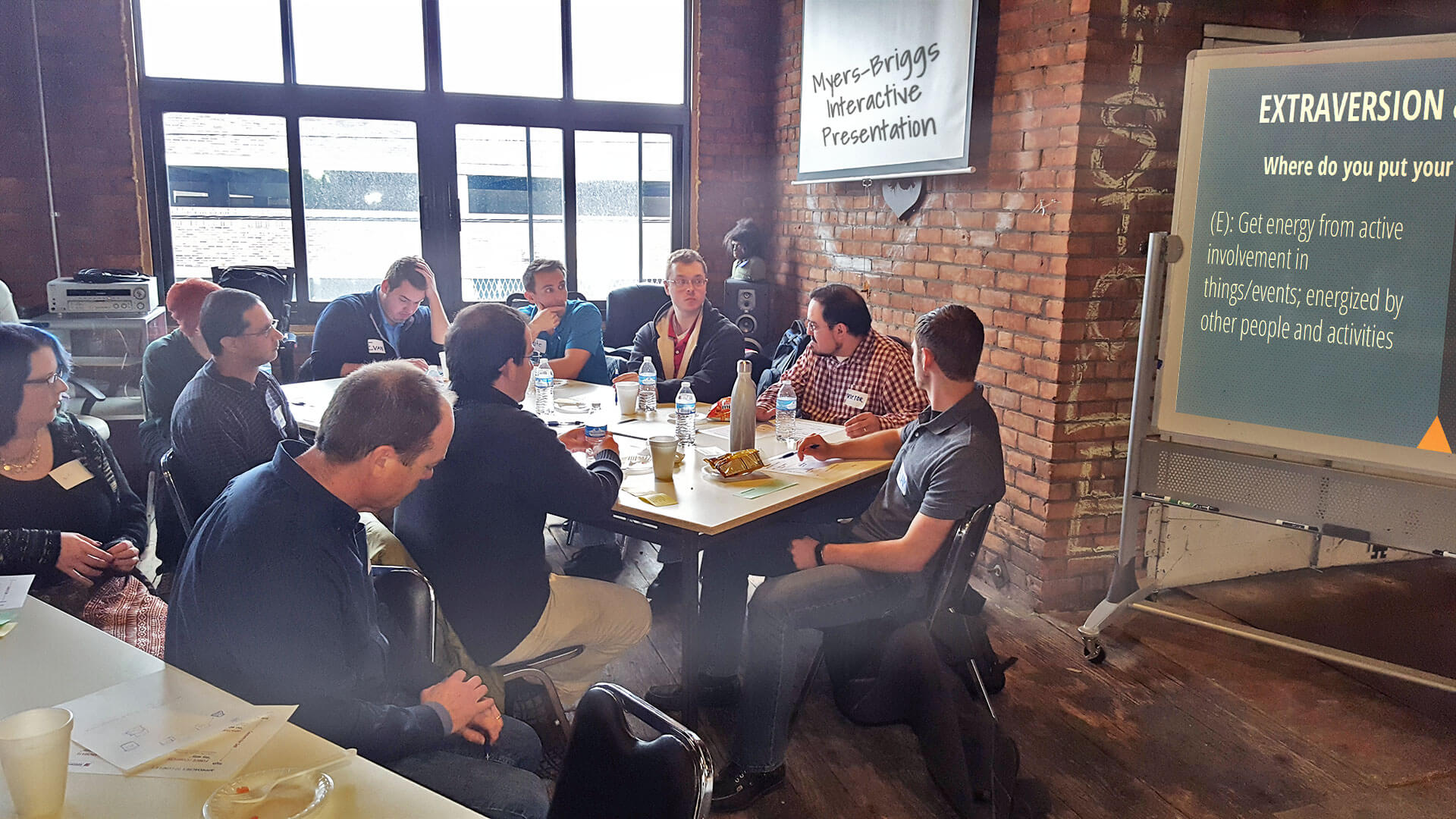
Assessments & ProfilesInteractive and informal MBTI workshops identify personality preferences in ourselves and coworkers, enabling greater communication, trust, and productivity. Communication & FeedbackAdventure Associates Open Door workshop tears down organizational silos and emphasizes freely given feedback building unity, collaboration and trust. Assessments & ProfilesUnderstand your team’s current performance level and needs so Adventure Associates can tailor a Corporate Training or Team Building program to exceed your expectations. Assessments & ProfilesEmployees are empowered to play to their strengths and perform at a higher level thanks to Adventure Associates’ Strengths Performance workshop Assessments & ProfilesThere are extraordinary benefits to boosting emotional intelligence in the workplace. An Adventure Associates workshop shows you how. Assessments & ProfilesBridge differences in a diverse workplace, improve interpersonal relationships, and unleash the power of your employees using DISC with Adventure Associates. Assessments & ProfilesInteractive and informal MBTI workshops identify personality preferences in ourselves and coworkers, enabling greater communication, trust, and productivity. Strategic PlanningChange and transition bring uncertainty, but with the proper planning tools from Adventure Associates, your team becomes stronger and more committed. Strategic PlanningHybrid SWOT Analysis accelerates team problem-solving by driving disciplined, focused conversation to address problems and seize opportunities. Strategic PlanningAdventure Associates guides the meeting allowing top leaders to contribute freely; leading a process in which ideas are born and decisions are made. Strategic PlanningSeize the opportunity with Adventure Associates to build your team, encourage brainstorming and address difficult topics in an outdoor setting. Strategic PlanningAdventure Associates engages and inspires your employees in an idea generation process in which ideas are welcomed, freely given and vigorously contended. TeamworkLearn the secrets behind a high-performing team with a clear sense of identity, protocols and best practices. Adventure Associates has a workshop for you. TeamworkAdventure Associates’ interactive training empowers your team with effective problem-solving techniques to confidently discover the best solutions. TeamworkBuild an effective team by understanding decision-making styles and tools in this engaging and easily applied Adventure Associates workshop. TeamworkGain the skills from Adventure Associates to accelerate your team’s evolution through the Stages of Team Development to higher commitment and performance. Communication & FeedbackAdventure Associates helps you build a comprehensive feedback system resulting in increased accountability and commitment due to understood expectations. Communication & FeedbackPowerful Adventure Associates workshop that creates a company culture in which giving and receiving feedback is accepted and encouraged. Communication & FeedbackAdventure Associates provides practical skills for giving and receiving 360-degree feedback against a backdrop of peer support, transparency and trust. Communication & FeedbackA lively, interactive conflict resolution workshop offered by Adventure Associates teaches the skills to identify, manage and resolve conflict, transforming competition into collaboration. LeadershipLearn the importance and benefits for leaders of emotional intelligence in the workplace. Adventure Associates workshops provide the knowledge you need. LeadershipMake every meeting count by running an effective meeting that engages and is worth attending. Adventure Associates can show you how. LeadershipAdventure Associates helps leaders understand decision-making tools so they can lead confidently and make the right decisions without analysis paralysis. LeadershipLead your team more effectively, empowering them with techniques for creative problem-solving thanks to an Adventure Associates workshop. LeadershipAdventure Associates helps leaders understand and master good leadership qualities such as effective communication skills. Communication & FeedbackAdventure Associates engaging and interactive workshops build skills that focus on effective communication in the workplace. LeadershipDiscover a leader’s role in motivating a team and sustaining success through the stages of team development with Adventure Associates engaging workshops.
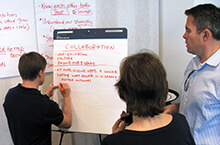
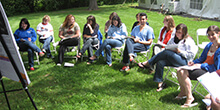
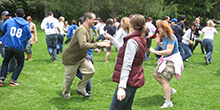
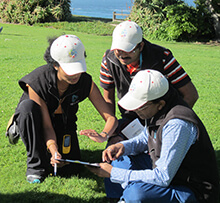
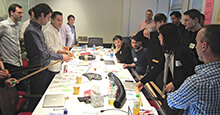
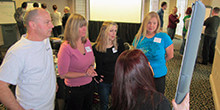
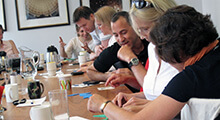
Whatever your needs or challenges, we can tailor a performance-proven workshop to meet your goals, or combine different workshops to address multiple objectives. Tapping our core strength we routinely blend elements of Team Building events into Corporate Training workshops, creating interactive experiences that are memorable, impactful, and a lot of fun.
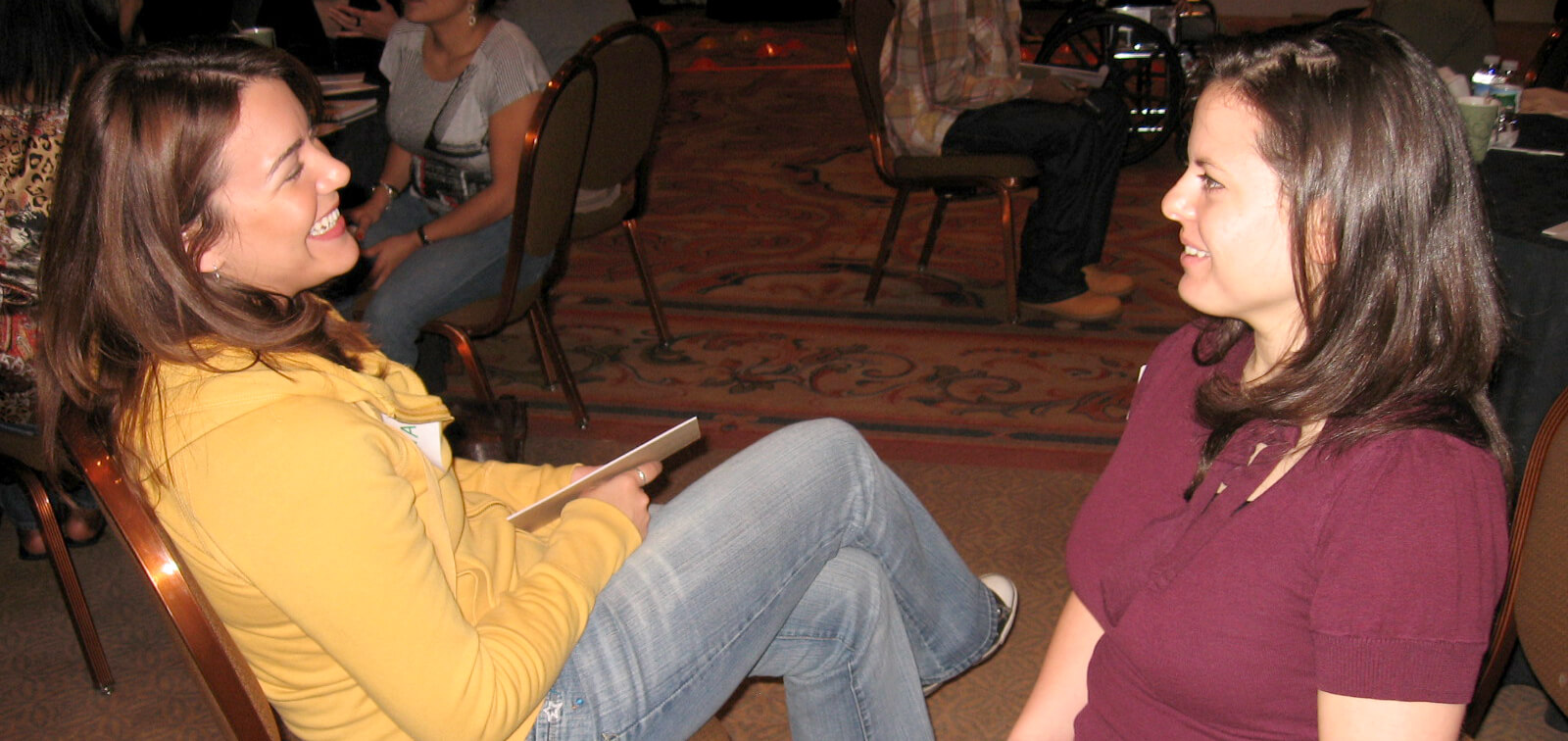
Forget the binders and dry as dirt, formulaic presentations. Expect engaging and truly entertaining opportunities to learn and then practice what you learn.
Combining latest methodologies with best practices, with an emphasis upon small group discussion and topical content, actionable guidelines are aligned with your objectives and incorporated into your existing expertise and knowledge base. Our corporate training programs are designed to engage and inform your work team.