More Photos
Program Progression
- Introduction and Overview
- Roles and Goals
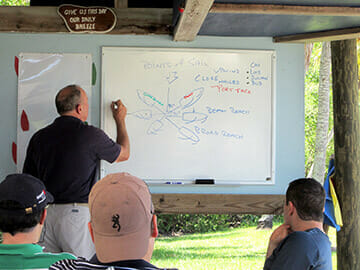
- Points of sail and Safety briefing
- On-board sailing instruction and practice
- Regatta
- Debrief
Nuts & Bolts
- Outdoor
- 4 hours
- Team size of 4-5; group size of up to 50
- Medium fitness suggested
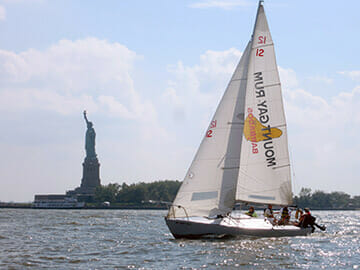
- Site specific: selected U.S. coastal and lake locations
Team Sailing
Building a team that can adapt and succeed in an ever-changing environment ensures your organization’s longevity. Team Sailing is a great analogy for this practice—testing the winds, using its power when you can, tacking when you can’t, and getting the whole team back to harbor.
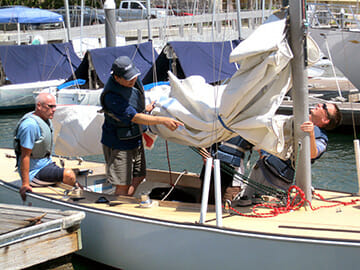
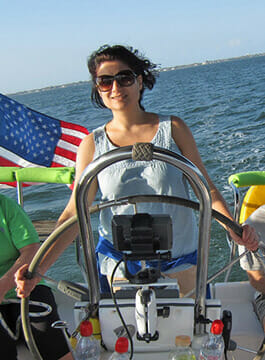
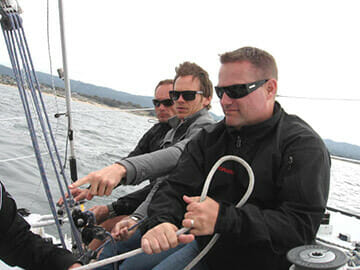
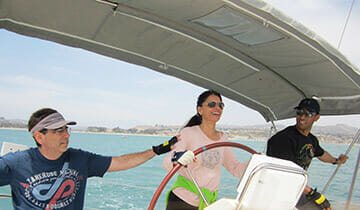
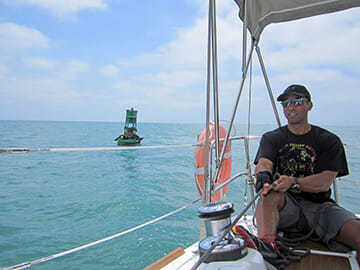
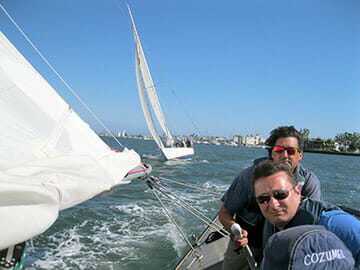
You will have the opportunity to practice different areas of responsibility: at the helm, manning a winch or handling a line. Then coach your peers on your newly-acquired skills, share risk-taking (and mistake-handling) and increase trust.
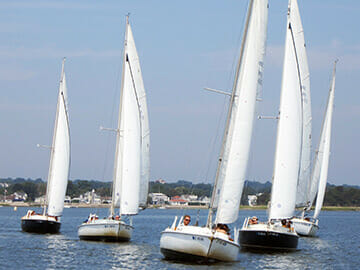
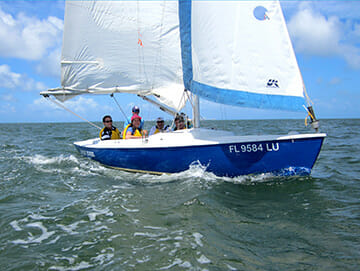
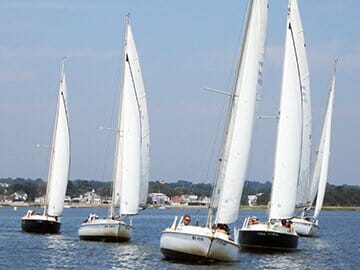
Coastguard Certified Captains acquaint your group with the 24- to 36-foot sailboats, covering tacking and jibing, sail handling and steering. Depending on the body of water and the weather conditions, you will either compete in a regatta or a time trial, using your new skills to outmaneuver the other boats to the finish line.
Once back on shore, your team will examine communication patterns, leadership styles, decision-making processes and overall team effectiveness.
Benefits
- Affords the opportunity to understand the learning and teaching styles of your team mates.
- Delivers a once-in-a-lifetime experience for participants.
- Reveals much about how individuals handle uncertainty or risk.
- Allows teams to revel in the thrill of competition.
- Experientially defines the Stages of Team Development.
Blend with Corporate Training
Team Sailing can be customized to meet your group’s goals, or paired with one of our corporate training offerings such as Decision-making for Leaders or Team Identification.

- Asking Questions - October 9, 2019
- Tips For Thriving as a Multi-Generational Workplace - June 20, 2019
- Real Work Office Design - March 3, 2019
Program Progression
- Introduction and Overview
- Roles and Goals
- Points of sail and Safety briefing
- On-board sailing instruction and practice
- Regatta
- Debrief
Nuts & Bolts
- Outdoor
- 4 hours
- Team size of 4-5; group size of up to 50
- Medium fitness suggested
- Site specific: selected U.S. coastal and lake locations